 Turkish
  English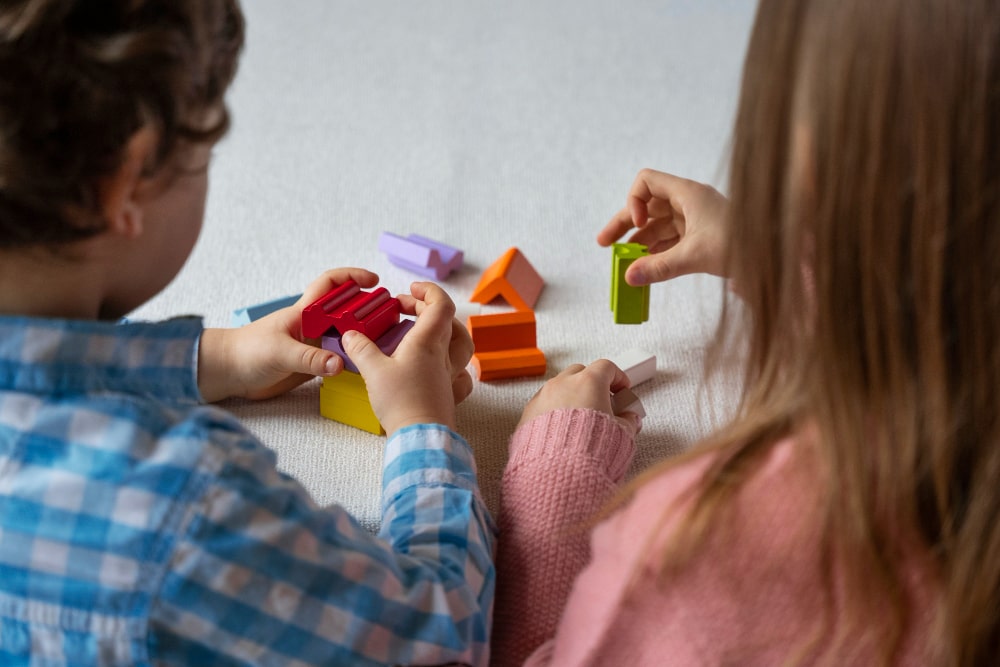
Emotional development is closely related to the dynamics of cognitive and social development. While cognition, or thoughts, plays an active role in emotional development, emotions largely influence social behavior. In other words, thoughts influence emotions, and emotions influence behavior. Positive emotional development ensures that social development also occurs in a healthy process.
Children experience and interpret all emotions through play. This interpretation guides their relationships with others. Play serves as a rehearsal for children to gain emotional control as they grow older. Through the events that occur during play, children experience all emotions ranging from pleasure to pain, such as happiness, sadness, anger, and surprise, and learn to control their emotional responses. This control skill does not happen immediately but requires a long development process.
Play helps children express their strongest and most natural impulses, such as aggression, in an appropriate manner. Children also learn to express their emotions in a balanced way through play. For example, in a competitive game, they learn to be happy when they win, but also not to exaggerate so as not to hurt their friends. This is also related to the acquisition of empathy skills.